DGCA Introduction
The Directorate General of Civil Aviation (DGCA) is the regulatory body for civil aviation in India. Its role is to promote safety in civil aviation and oversee the regulation of scheduled air transport services, airports, air traffic services and adherence to international standards. In order to become a pilot in India, one must obtain a Commercial Pilot License (CPL) from the DGCA. The process of obtaining a CPL is as follows:
The applicant must be at least 18 years old and have completed Class 10th with English as a subject.
The applicant must have a valid Private Pilot License (PPL).
The applicant must undergo medical examination as prescribed by the DGCA and obtain a Medical Certificate of Fitness.
The applicant must undergo 200 hours of flying training, which includes both flying solo and with an instructor. Of these 200 hours, at least 100 hours must be flown solo.
The applicant must pass the written examination set by the DGCA, which covers topics such as aircraft general knowledge, flight planning and navigation, air law and meteorology.
The applicant must pass the practical test, which consists of both an oral examination and a flight test. During the flight test, the applicant will be required to demonstrate their skills in various aspects of flying such as take-offs, landings, manoeuvres and emergency procedures
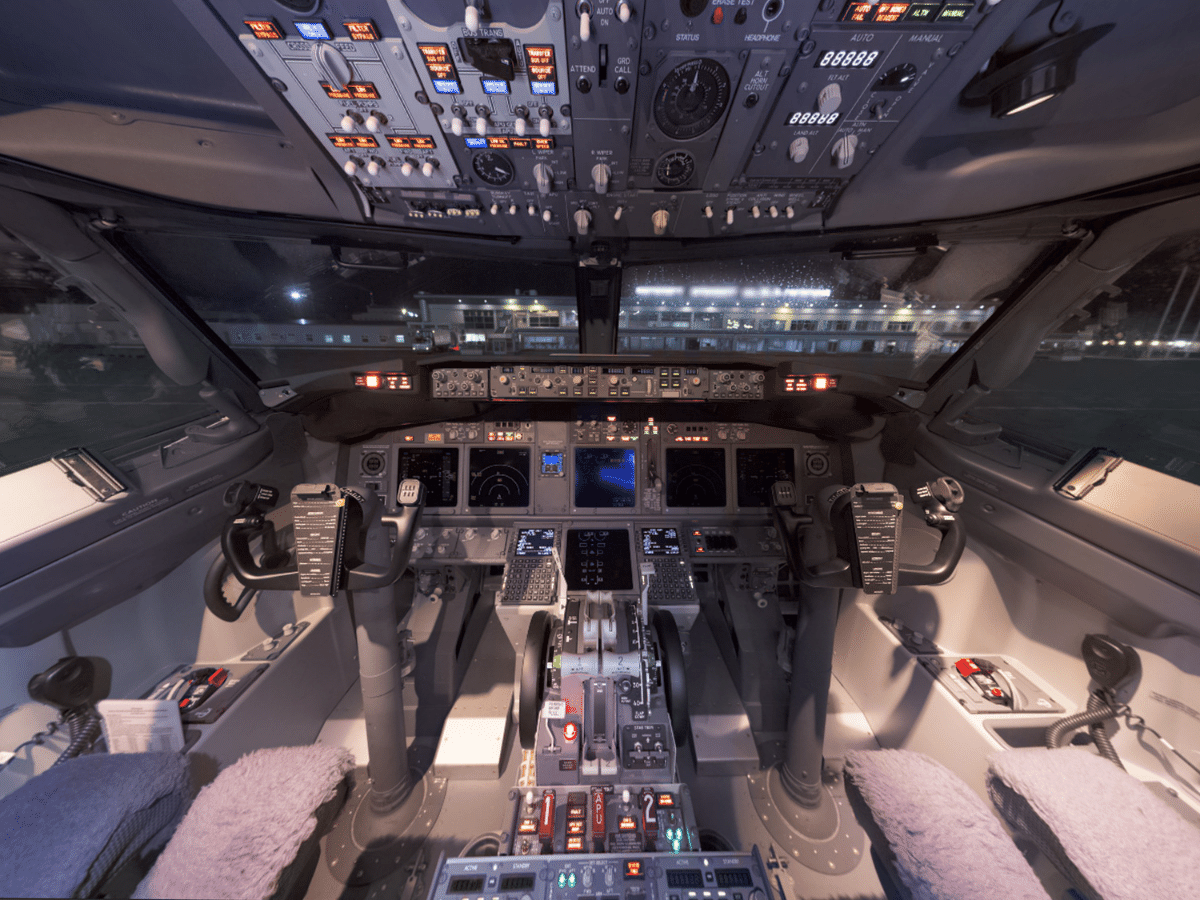
Commercial Pilot Licence (CPL) Course in Delhi
DGCA exam syllabus by Golden Epaulettes Aviation Pilot Training
To get a Commercial Pilot License (CPL) in India, you need to appear for the Directorate General of Civil Aviation (DGCA) examination. The DGCA exam syllabus is divided into two parts: written and practical. The written examination tests your knowledge of the various aspects of flying an aircraft. The topics covered in the written examination include air regulations, navigation, meteorology, aircraft performance and general engineering.
The practical examination tests your ability to fly an aircraft. You will be required to fly an aircraft under the supervision of a licensed instructor. During the practical examination, you will be assessed on your flying skills, landing techniques and emergency procedures.

DGCA Introduction
Air Navigation Subject of CPL by DGCA, Golden Epaulettes Aviation Pilot Training
The air navigation subject of CPL by DGCA covers all aspects of planning and executing a flight, including fuel management, weather briefing, route planning, and more. The Golden Epaulettes Aviation pilot training program is the most comprehensive and complete course available for those who want to become professional pilots in India.
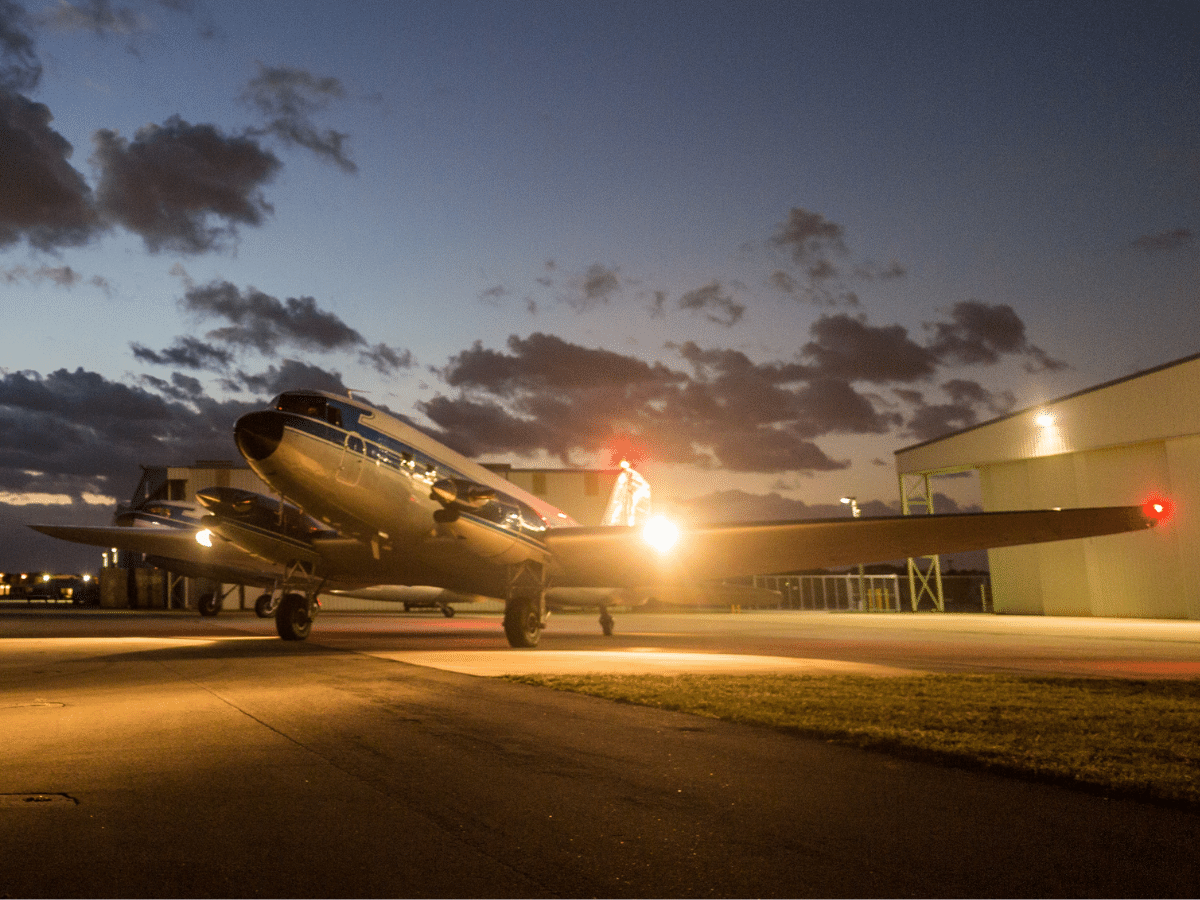
Air Navigation Subject of CPL by DGCA, Golden Epaulettes Aviation Pilot Training
Meteorology Subject of CPL by DGCA, Golden Epaulettes Aviation Pilot Training
Meteorology is one of the subjects of CPL by DGCA. It is a mandatory subject for all pilots and is taught in all flying training schools. The syllabus for Meteorology subject of CPL by DGCA covers various topics related to weather, its impact on aviation and how to forecast it. The topics covered in the syllabus are:
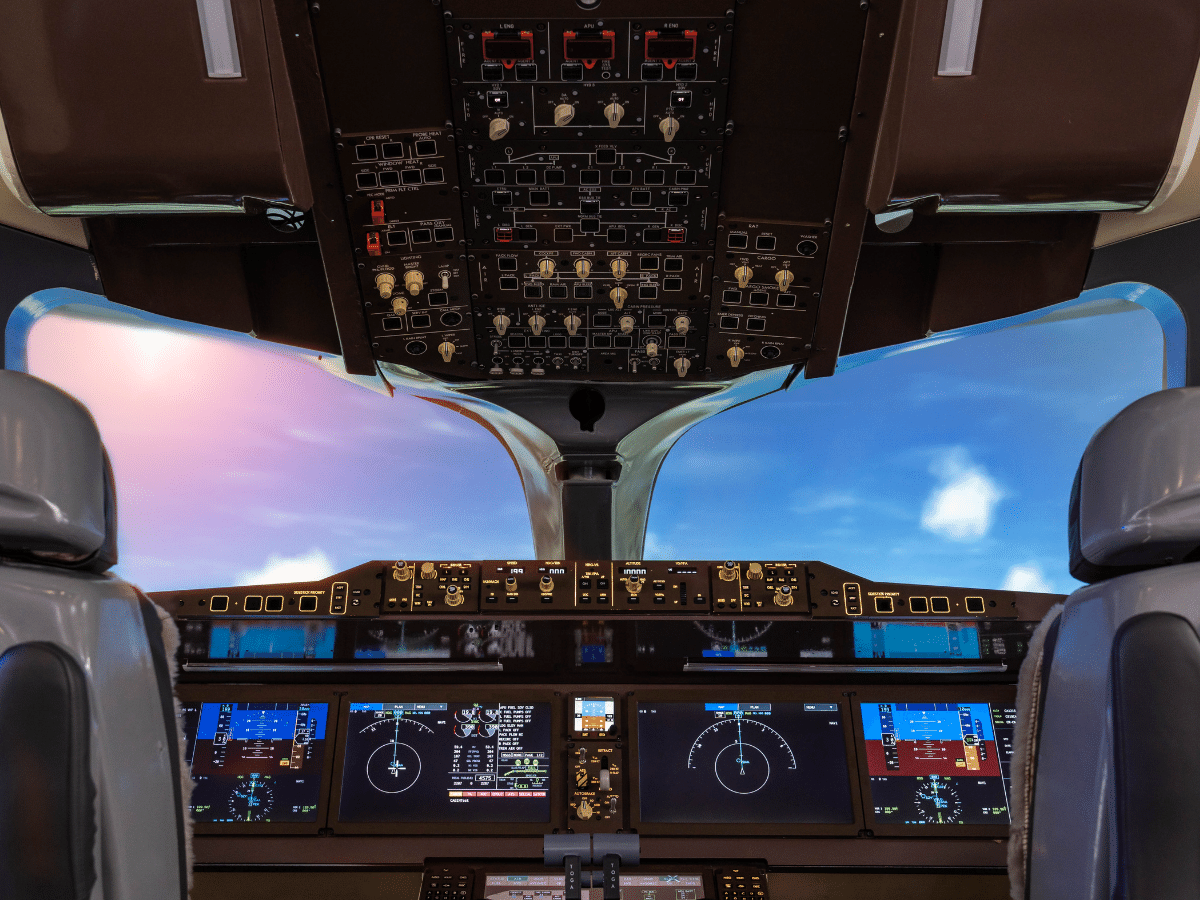
Meteorology Subject of CPL by DGCA, Golden Epaulettes Aviation Pilot Training
Air Regulation Subject of CPL by DGCA, Golden Epaulettes Aviation Pilot Training
In order to become a pilot in India, one must first obtain a Commercial Pilot License (CPL) from the Directorate General of Civil Aviation (DGCA). The CPL is a necessary prerequisite for employment as a pilot with an Indian airline.
The requirements for obtaining a CPL are:
The applicant must be at least 18 years of age.
The applicant must hold a valid Indian passport.
The applicant must have completed 10+2 or its equivalent examination with Physics and Mathematics as subjects and must have obtained a minimum of 60% marks.
The applicant must have obtained a minimum of 60% marks in English in 10+2 or its equivalent examination.
The applicant must have passed the Class I Medical Examination conducted by an authorized medical examiner designated by the DGCA.
The applicant must have successfully completed the prescribed ground training course from an approved flying training school.
The applicant must have successfully completed the prescribed flying training and obtained a minimum of 200 hours of flying experience, which includes at least 100 hours of solo flying experience.
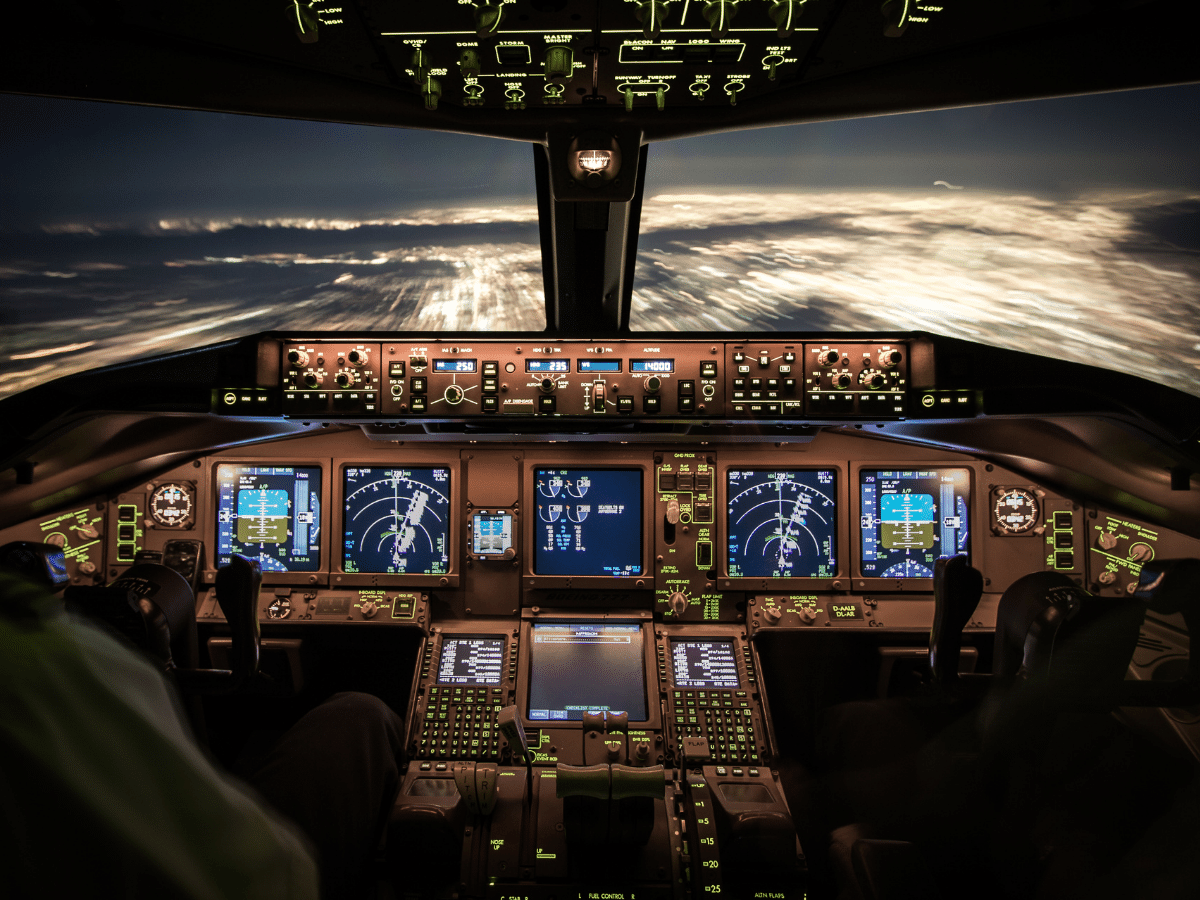
Air Regulation Subject of CPL by DGCA, Golden Epaulettes Aviation Pilot Training
Technical General Subject of CPL by DGCA, Golden Epaulettes Aviation Pilot Training
Aeronautical knowledge is an important part of a pilot's training. The technical general subject of the commercial pilot license (CPL) by DGCA covers topics such as aircraft performance, principles of flight, navigation, meteorology, and air traffic control. The Golden Epaulettes Aviation provides comprehensive training for aspiring pilots in India. The institute offers both ground school and flying training, and has a good reputation for producing quality pilots.

Technical General Subject of CPL by DGCA, Golden Epaulettes Aviation Pilot Training
The ground school training at Golden Epaulettes Aviation covers all the topics required for the CPL exam, and includes plenty of opportunity for practice and revision. The flying training takes place in modern, well-maintained aircraft, and is conducted by experienced instructors. After successfully completing the ground school and flying training at Golden Epaulettes Aviation, students will be able to sit for the CPL exam with confidence. With hard work and dedication, they will be on their way to becoming qualified commercial pilots.
DGCA Exam Preparation Syllabus, Golden Epaulettes Aviation Pilot Training
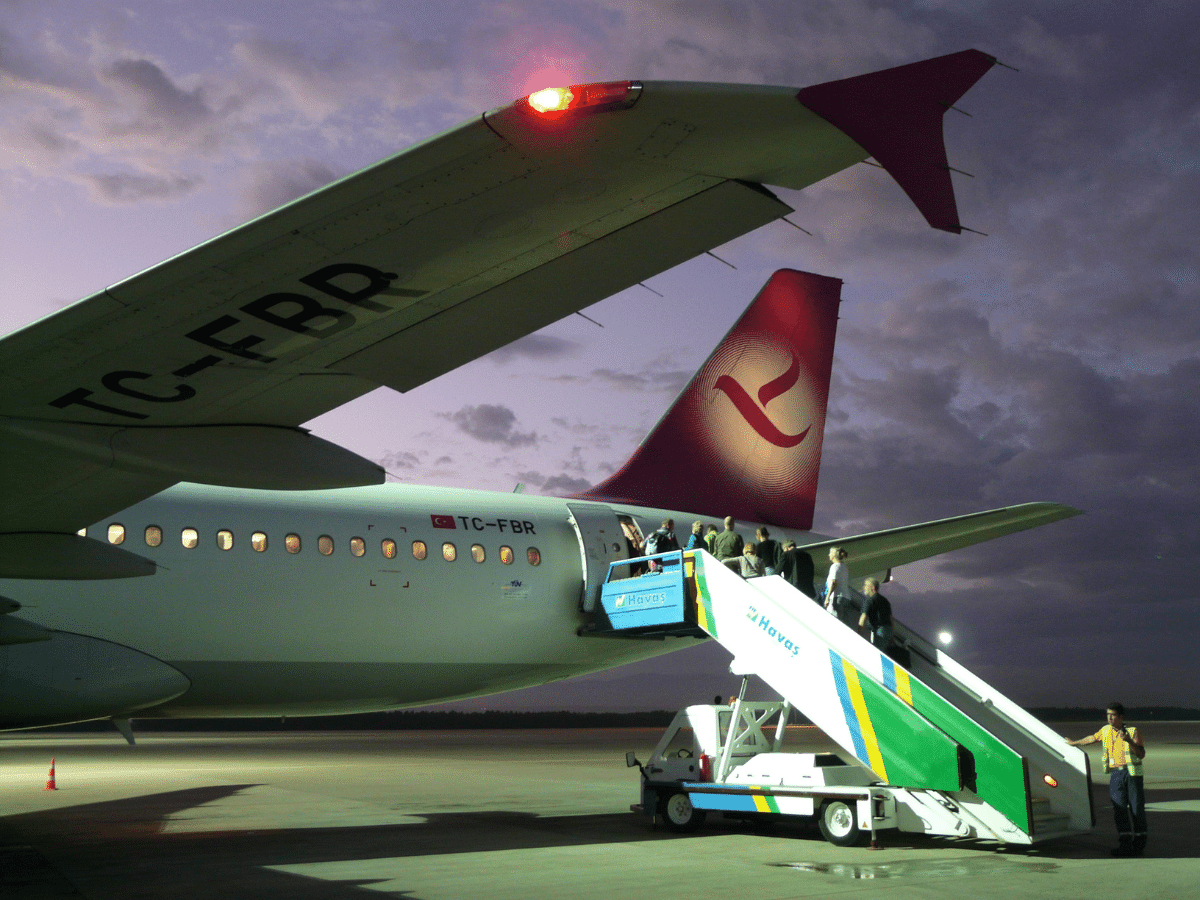
The Directorate General of Civil Aviation (DGCA), India conducts an exam for those who wish to become pilots. The written examination is held in two parts, the first part being the Air Regulations examination and the second part being the Navigation and Radio Aids examination. Candidates must pass both examinations in order to obtain a Commercial Pilot License (CPL). The Air Regulations examination covers topics such as aircraft performance, weight and balance, airworthiness, and flight rules and regulations. The Navigation and Radio Aids examination covers topics such as radio communications, radio navigation, meteorology, and air traffic control procedures.
DGCA Exam Preparation Syllabus, Golden Epaulettes Aviation Pilot Training
The DGCA has released the syllabus for both examinations on their website. Candidates are advised to thoroughly study the syllabus in order to pass the examinations. The Golden Epaulettes Aviation Academy offers pilot training courses that cover both the Air Regulations and Navigation and Radio Aids examinations. The academy has a team of experienced instructors who will help prepare candidates for the DGCA exams.
CPL DGCA Theory Examination in India Syllabus
In India, the CPL or Commercial Pilot License is issued by the Directorate General of Civil Aviation (DGCA). To be eligible for a CPL, an applicant must:
The applicant must be at least 18 years of age.
Hold a valid Private Pilot License (PPL).
Pass a Class II medical examination.
Obtain a radio telephony license.
Complete 200 hours of flying experience, including at least 100 hours as pilot-in-command or co-pilot.
Pass the DGCA written examination and flight test.
Can I be a pilot without a degree?
The written examination for the CPL consists of nine papers: Air Regulations, Aircraft Technical knowledge, Meteorology, Flight Planning and Navigation, Radio Aids, Instruments, Mass and Balance, Human Factors and Operational Procedures. The examinations are held twice a year, in May/June and November/December respectively.
The complete guide for DGCA CPL examinations in India
In India, the Directorate General of Civil Aviation (DGCA) is the regulatory body for civil aviation. The complete guide for DGCA CPL examinations in India is given below: Commercial Pilot License or CPL is an important certificate that allows an individual to act as a pilot of an aircraft and get paid for it. In order to become a commercial pilot in India, one has to clear the CPL examination conducted by the DGCA.
The process of becoming a commercial pilot in India can be broadly divided into 3 stages-
Ground training
Flight training
Clearing the CPL exam

CPL DGCA Theory Examination in India Syllabus
Ground training usually involves completing a prerequisite number of hours of study in various topics related to aviation, like meteorology, air navigation, etc. After this, one has to complete flight training from a certified flying school. This training helps an individual develop the skills required to fly an aircraft safely. Finally, one has to appear and clear the CPL exam conducted by DGCA in order to get the license.
After getting the license, commercial pilots can find employment with airlines or private companies that own their own aircrafts. They can also work as freelance pilots.
DGCA exam syllabus books
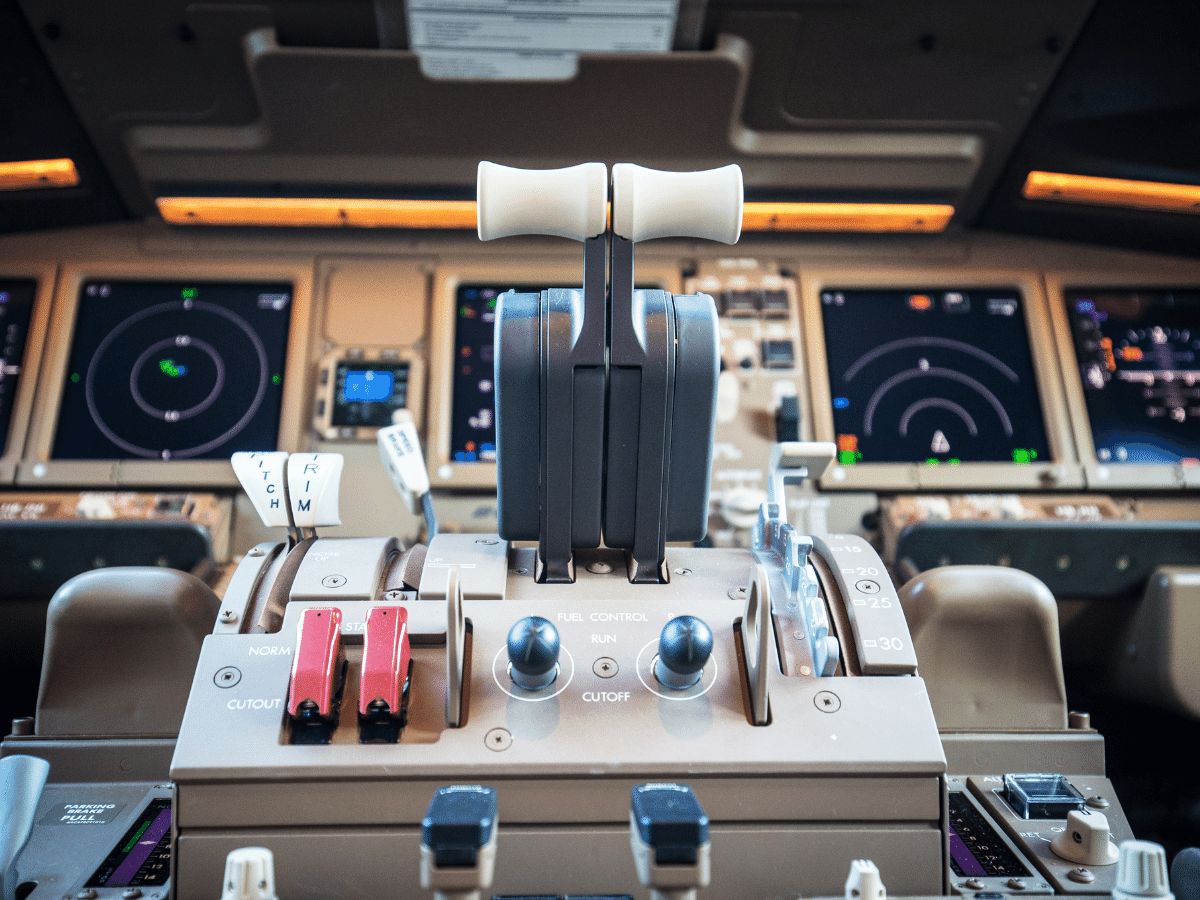
DGCA exam syllabus books are available for purchase online and at select bookstores. The books cover the topics required to pass the DGCA examination, which is necessary to obtain a commercial pilot license in India.
The topics covered in the syllabus books include:
DGCA exam syllabus books
Each topic contains a variety of subtopics that will be tested on the DGCA examination. In order to ensure success on the exam, it is recommended that prospective pilots study all of the material covered in the syllabus books.
What is DGCA exam eligibility in India?
In order to be eligible for the DGCA exam in India, candidates must:
Be at least 18 years of age
Possess a valid Indian passport
Hold a valid Class I or II medical certificate from an authorized medical practitioner
Have completed 10+2 or equivalent examination with Physics and Mathematics as subjects
What is DGCA exam eligibility in India?
Is DGCA entrance exam tough?
DGCA stands for the Directorate General of Civil Aviation and is the regulating body for civil aviation in India. The DGCA conducts an entrance exam for those who wish to become commercial pilots in India. The DGCA entrance exam is considered to be quite tough by many people, as it covers a wide range of topics related to aviation. However, if you are passionate about becoming a pilot and are willing to put in the hard work, then you will be able to crack the exam. Some of the topics covered in the DGCA entrance exam include aircraft performance, navigation, meteorology, air traffic control, and human factors. You will need to have a good understanding of all these topics in order to clear the exam.
In addition to the written exam, you will also have to take a flight test in order to become a certified commercial pilot in India. This test will assess your skills and knowledge in flying an aircraft. So, if you are interested in becoming a commercial pilot in India, then you should start preparing for the DGCA entrance exam right away. With some hard work and dedication, you will surely be able to crack the exam and fulfil your dream of becoming a pilot!
Is DGCA entrance exam tough?
What are the requirements for becoming a pilot in India?
In order to become a pilot in India, you must meet the following requirements:
You must be at least 18 years of age.
You must have completed 10+2 or equivalent from a recognized university.
You must have Physics and Mathematics as subjects in your 10+2 or equivalent examination.
You must have a valid Indian passport.
You need to obtain a Student Pilot License (SPL) from the Directorate General of Civil Aviation (DGCA), which is the regulatory body for civil aviation in India.
After obtaining an SPL, you will need to undergo training at a flying school that is approved by the DGCA.
Once you have completed your training, you will need to take a written exam, as well as a flight test, in order to obtain your Commercial Pilot License (CPL).
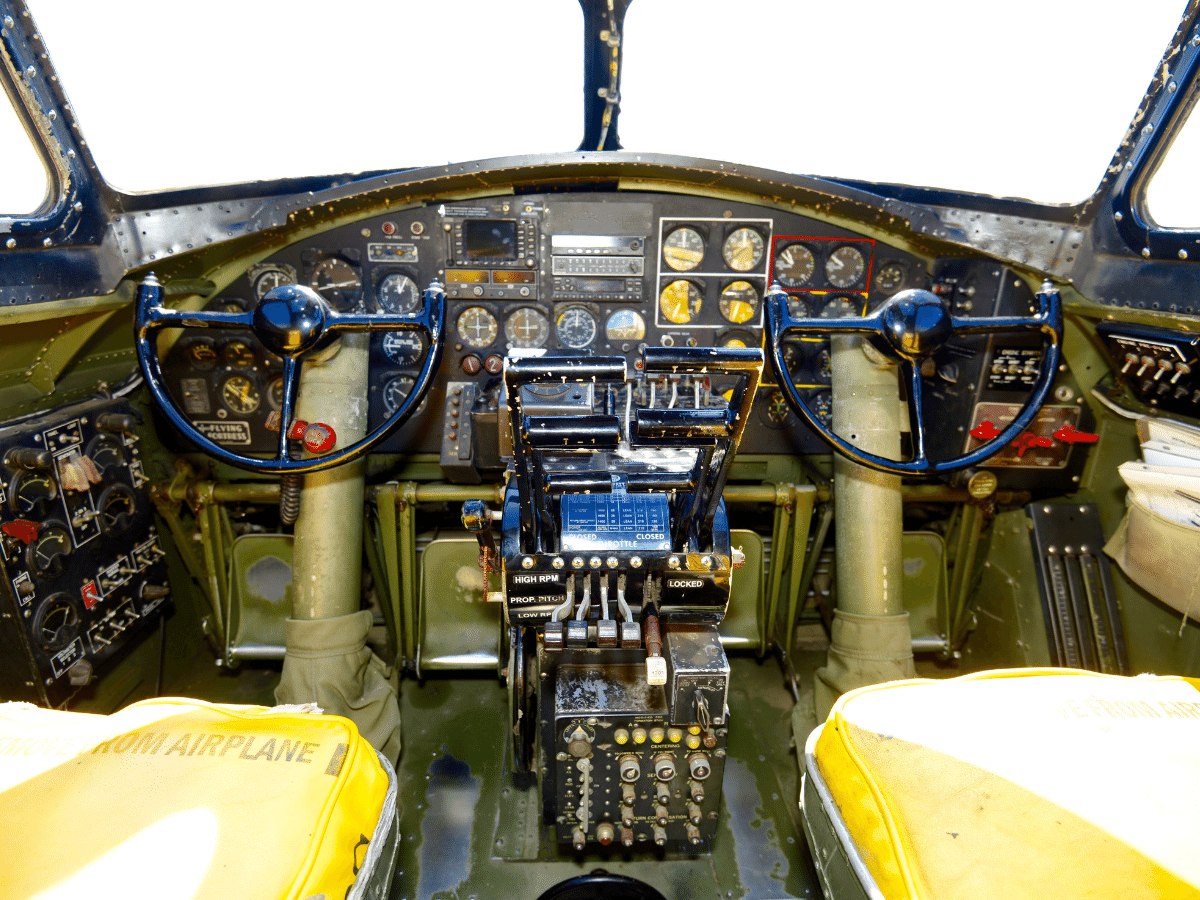
What are the requirements for becoming a pilot in India?
The Process of Getting a Pilot's License in India
In India, to become a pilot you need to have a Commercial Pilot License (CPL). A CPL allows you to fly for commercial purposes and be paid for your work. To get a CPL, you must first obtain a Private Pilot License (PPL). Once you have your PPL, you can begin training for your CPL.
The training for a CPL can be completed in around six to twelve months. The first step is to complete ground school, which covers topics such as aviation law, meteorology, and aircraft systems. Once ground school is finished, you will begin flying lessons. These will cover take-offs and landings, navigation, and other skills necessary to be a safe and competent pilot. Once you have completed your training and passed all the necessary exams, you will be issued with a CPL. This will allow you to start working as a commercial pilot in India.
The Process of Getting a Pilot's License in India
The Different Types of Pilot Licenses in India
There are three different types of pilot licenses in India which are as follows:
Student Pilot License (SPL): This is the first and foremost step to becoming a professional pilot in India. To obtain an SPL, one needs to be at least 17 years of age with a valid medical certificate. One must also pass the written exam conducted by the Directorate General of Civil Aviation (DGCA). The SPL allows a student pilot to fly solo under supervision and take flying lessons from a certified flying instructor.
Private Pilot License (PPL): After successfully completing the requirements for an SPL, one can then apply for a PPL. To obtain a PPL, one must be at least 18 years of age with a valid medical certificate. One must also pass the written and practical exams conducted by the DGCA. The PPL allows a pilot to fly solo or with passengers on non-commercial flights.
Commercial Pilot License (CPL): A CPL is required for pilots who wish to fly commercially, such as for an airline or charter company. To obtain a CPL, one must be at least 18 years of age with a valid medical certificate. One must also pass the written and practical exams conducted by the DGCA. The CPL allows a pilot to fly passengers or cargo on commercial flights.
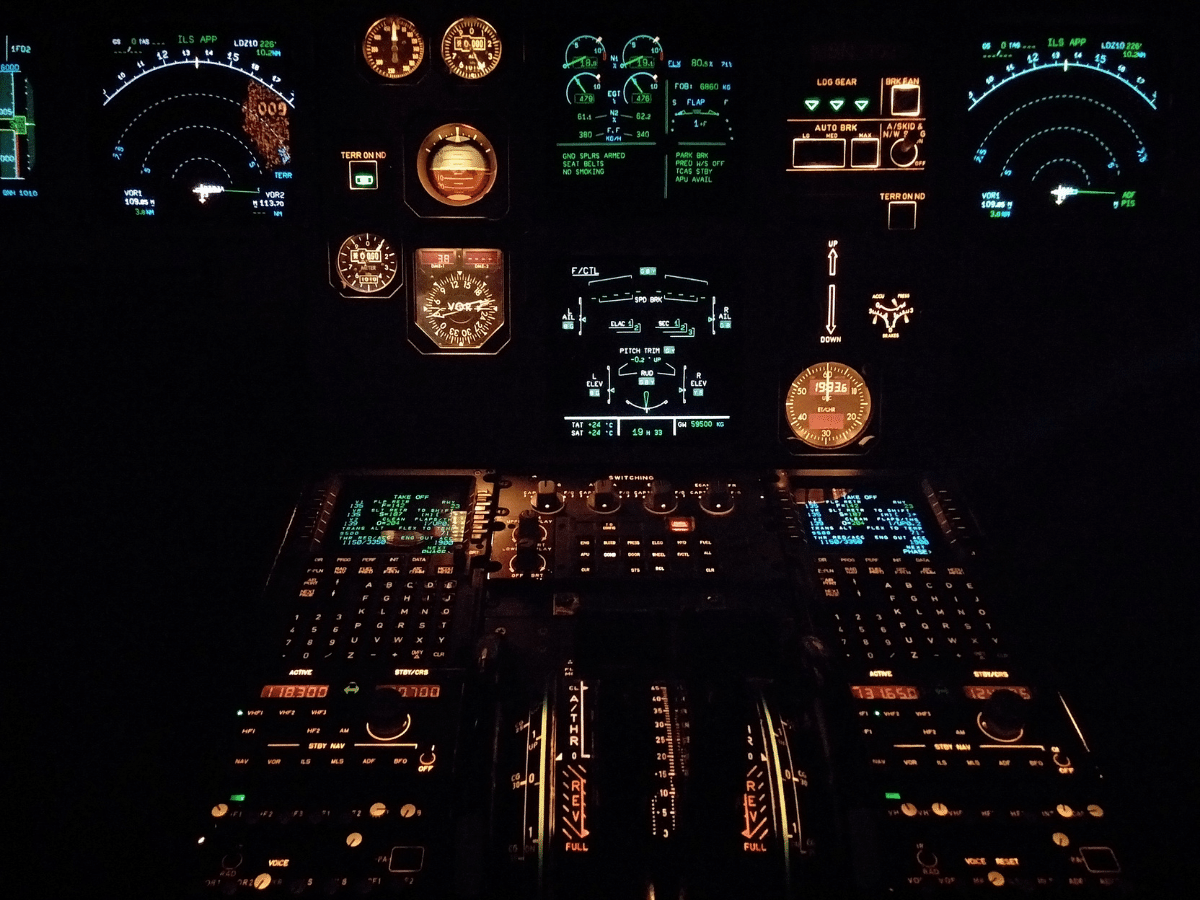
The Different Types of Pilot Licenses in India
Commercial Pilot License in India vs Private Pilot License
In India, a Private Pilot License (PPL) allows you to fly an aircraft for personal use only. A Commercial Pilot License (CPL), on the other hand, permits you to fly an aircraft for commercial purposes. There is a significant difference between the two licenses in terms of training requirements and cost. To obtain a CPL, you must have at least 200 hours of flying experience, whereas a PPL only requires 40 hours of flying experience. The cost of training for a CPL is also significantly higher than that of a PPL.
However, the benefits of having a CPL are considerable. With a CPL, you can work as a commercial pilot for an airline or charter company. You can also give flying lessons and rent out your services to others. If you're interested in becoming a commercial pilot, then read on for more information about obtaining a CPL in India.

Commercial Pilot License in India vs Private Pilot License
Commercial Pilot License in India vs Private Pilot License
In India, a Private Pilot License (PPL) allows you to fly an aircraft for personal use only. A Commercial Pilot License (CPL), on the other hand, permits you to fly an aircraft for commercial purposes. There is a significant difference between the two licenses in terms of training requirements and cost. To obtain a CPL, you must have at least 200 hours of flying experience, whereas a PPL only requires 40 hours of flying experience. The cost of training for a CPL is also significantly higher than that of a PPL.
However, the benefits of having a CPL are considerable. With a CPL, you can work as a commercial pilot for an airline or charter company. You can also give flying lessons and rent out your services to others. If you're interested in becoming a commercial pilot, then read on for more information about obtaining a CPL in India.
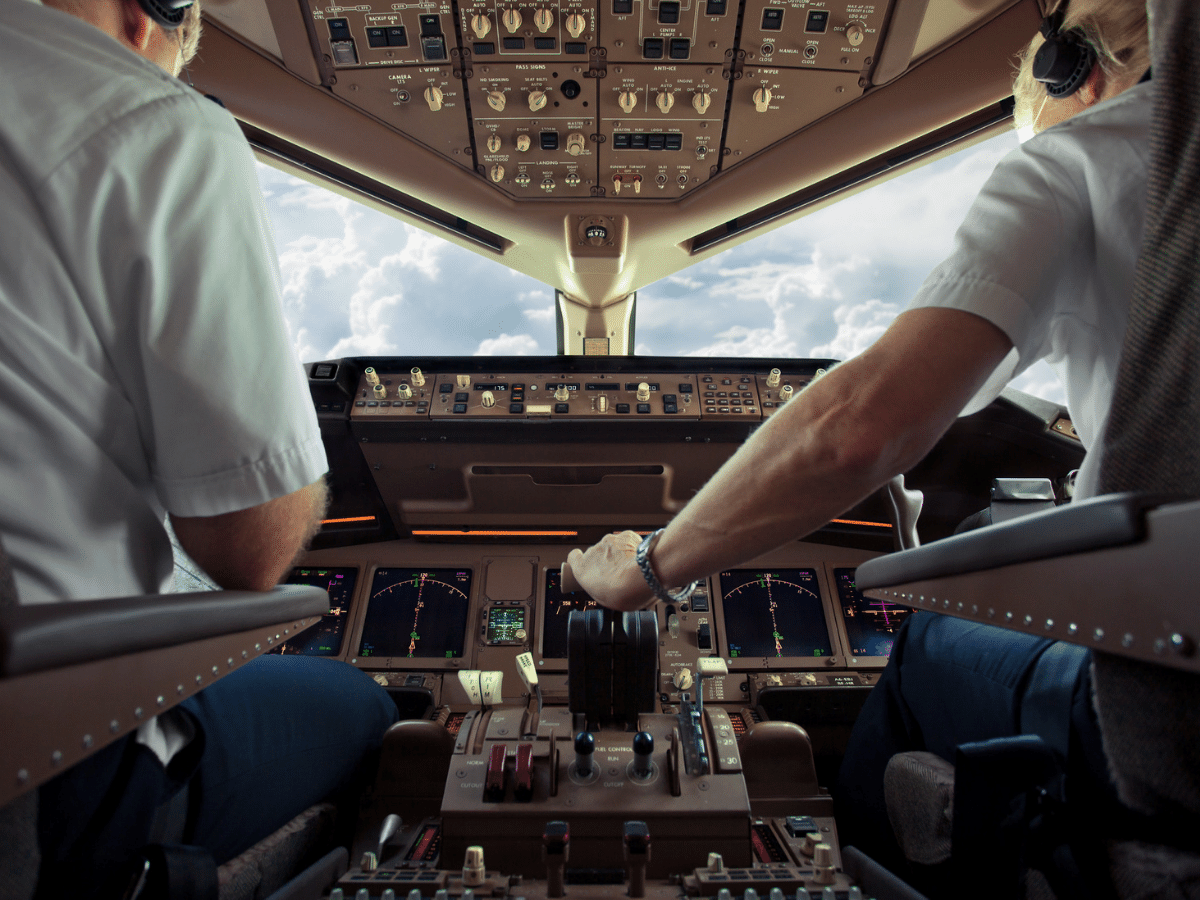
Commercial Pilot License in India vs Private Pilot License
What are the benefits of becoming a pilot in India?
Commercial pilots in India can expect to earn a good salary and enjoy many other benefits. Here are some of the advantages of becoming a pilot in India:
Good Salary: Pilots in India can expect to earn a good salary, especially if they are employed by a major airline. The average salary for a pilot in India is around Rs 1.2 lakhs per month.
Job Security: Pilot jobs are considered to be very secure, as there is always a demand for qualified pilots.
Opportunities for Advancement: There are many opportunities for pilots to advance their careers in India. For example, they may become flight instructors or move into management positions.
Flexible Schedule: Pilots often have a very flexible schedule, which can be an advantage if you have other commitments outside of work.
Travel Benefits: One of the best perks of being a pilot is that you get to travel to many different places, both within India and around the world.
What are the benefits of becoming a pilot in India?
How to Get Admission in Commercial Pilot License in India Golden Epaulettes Aviation Pilot Training
Golden Epaulettes Aviation is one of the leading pilot training institutes in India that offers a comprehensive course on commercial pilot license. The admission process for the course is very simple and straightforward. All you need to do is fill out an online application form and submit it along with the required documents.
Once your application is received, our team will review it and get back to you with further instructions. You will then be required to appear for an entrance test and an interview. Upon clearing these, you will be admitted into the course and will be given a detailed training schedule. The course fee for the Golden Epaulettes Aviation commercial pilot license training program is very reasonable and can be easily afforded by anyone who is serious about becoming a pilot. We also offer easy payment options so that you can pay us in instalments as per your convenience. So, if you are looking for a reputed and reliable institute that can provide you with excellent training to become a commercial pilot, then Golden Epaulettes Aviation is the perfect choice for you!
How to Get Admission in Commercial Pilot License in India Golden Epaulettes Aviation Pilot Training
Conclusion of Golden Epaulettes Aviation Pilot Training
After successful completion of the Golden Epaulettes Aviation commercial pilot training program, students will receive their commercial pilot license (CPL) from the Directorate General of Civil Aviation (DGCA), India. This will allow them to work as a professional pilot in India.


.png)
.png)
.png)
.png)
.png)
.png)
.png)

.png)
.png)













%402x.svg)


.png)

